The Industrial Food System: A Modern Marvel and Its Complexities
Food is the fundamental building block of life, any substance consumed by an organism to provide nutritional support, energy, and the essential components for growth, repair, and the maintenance of vital physiological processes. Comprising carbohydrates, fats, proteins, vitamins, minerals, and water, food typically originates from plant, animal, or fungal sources. While our earliest ancestors adapted to diverse ecosystems through foraging and hunting, eventually mastering cooking to enhance digestibility and safety, humanity’s relationship with food has undergone a monumental transformation. Today, the vast majority of our dietary energy is supplied by a sophisticated and often controversial entity: the industrial food system.
This intricate global network represents the pinnacle of human ingenuity in provisioning for a growing population, yet it simultaneously casts a long shadow over environmental sustainability, public health, and societal equity. It’s a system characterized by intensive agriculture, complex processing techniques, and extensive distribution networks, all designed to deliver consistent, accessible, and often affordable food to billions. However, this efficiency comes with significant trade-offs, sparking critical discussions around how our food is produced, what impact it has on our bodies and our planet, and how we can ensure its security for future generations.
The Rise of the Industrial Food System
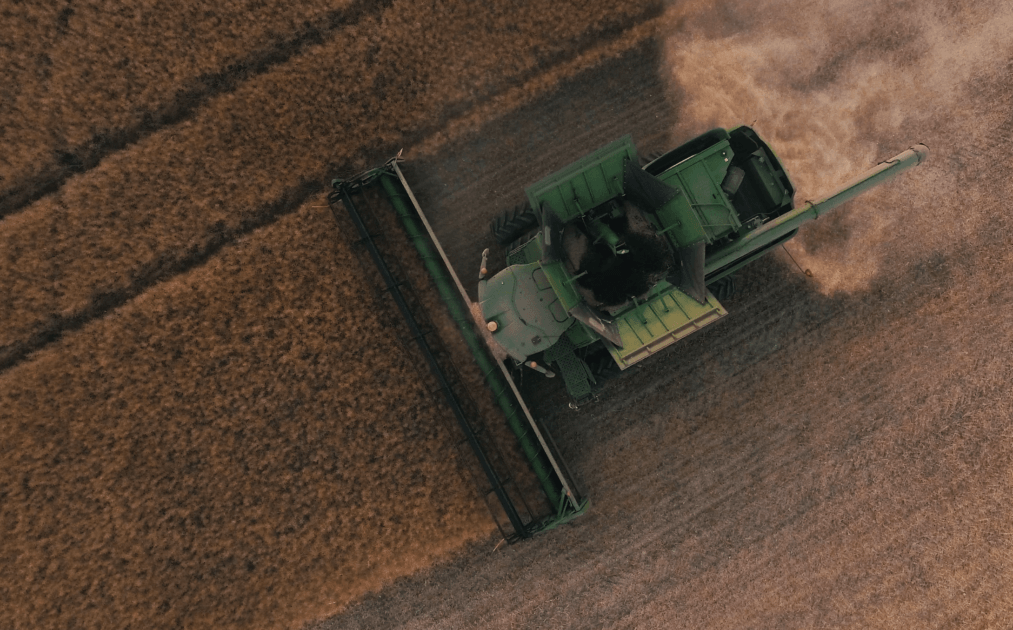
The transition from localized subsistence farming to the global industrial food system is one of the most defining shifts in human history. Driven by population growth, technological advancements, and economic globalization, this system now accounts for the primary source of nutrition for most of the world. At its heart lies intensive agriculture, which prioritizes high yields through methods like monoculture farming, the use of synthetic fertilizers and pesticides, and mechanized operations. These practices, while undeniably effective at producing large quantities of raw ingredients, have fundamentally altered agricultural landscapes and ecosystems.
Following harvest, raw agricultural products embark on a journey through elaborate food processing and distribution systems. These systems are designed to convert raw ingredients into consumer-ready products, preserve freshness over long distances, and ensure availability across diverse markets. From milling grains into flour to pasteurizing milk and packaging ready-to-eat meals, processing is an integral part of making food accessible and convenient. However, this extensive system also relies heavily on fossil fuels at every stage – from farm machinery and fertilizer production to transportation and refrigeration. This energy dependence makes the food and agricultural sectors significant contributors to climate change, accounting for as much as 37% of total greenhouse gas emissions globally. Understanding the fundamental components of our food, the essential nutrients it provides, and its critical role in sustaining life is key to appreciating the complexities of this system. For a deeper dive into the nutritional aspects that fuel our bodies, explore
Fueling Life: The Essential Nutrients & Core Role of Food.
Processing: Efficiency, Preservation, and Nutritional Trade-offs
Food processing encompasses a wide array of techniques that transform raw ingredients into consumable products. Its primary aims are to enhance food safety, extend shelf life, improve palatability, and increase convenience. Simple processing, such as drying, salting, or fermentation, has been used for centuries to preserve food. Modern industrial processing, however, involves more complex methods, including:
- Thermal processing: Pasteurization, sterilization, blanching to kill microbes.
- Mechanical processing: Milling, grinding, chopping, emulsifying.
- Chemical processing: Addition of preservatives, flavorings, colorants, and nutrient fortification.
- Formulation: Combining multiple ingredients to create new products, often leading to "ultra-processed foods."
These advancements have undoubtedly revolutionized our diets, making a vast variety of foods available year-round, regardless of seasonality or geographic location. They reduce food waste by preventing spoilage and provide critical nutritional support through fortification, such as adding iodine to salt or vitamins to flour.
However, the intensive nature of modern food processing has become a major source of controversy. Critics argue that while processing enhances convenience, it often comes at the expense of nutritional quality. Refinement processes can strip away beneficial fibers, vitamins, and minerals. Furthermore, ultra-processed foods – defined as industrial formulations with five or more ingredients, often including additives like artificial flavors, emulsifiers, and high levels of sugar, salt, and unhealthy fats – have been strongly linked to adverse health outcomes. Studies suggest a correlation between high consumption of these foods and increased risks of obesity, type 2 diabetes, cardiovascular disease, and certain cancers. The debate also extends to genetic modification (GM) of crops, with discussions revolving around potential allergenicity, environmental impacts, and long-term health effects, despite scientific consensus often affirming their safety.
Food Security in a Globalized World
Food security, as defined by the UN's Food and Agriculture Organization (FAO), exists when all people, at all times, have physical, social, and economic access to sufficient, safe, and nutritious food that meets their dietary needs and food preferences for an active and healthy life. This seemingly simple definition masks a deeply complex global challenge, significantly influenced by the industrial food system.
Despite record-breaking food production, millions still suffer from hunger and malnutrition. This paradox highlights that food insecurity is not solely a matter of supply but also of access, utilization, and stability. Key factors impacting global food security include:
- Population Growth: A continually expanding global population places increasing demands on food production.
- Water Scarcity: Agriculture is the largest consumer of fresh water, and climate change exacerbates droughts and water stress in many regions.
- Economic Disparities: Poverty, lack of infrastructure, and market volatility can prevent individuals and communities from accessing available food.
- Political Instability and Conflict: These disrupt food production, supply chains, and distribution, leading to widespread hunger.
- Climate Change: Extreme weather events, changing growing seasons, and reduced agricultural yields directly threaten food supplies.
International agencies like the World Food Programme (WFP), the Food and Agriculture Organization (FAO), the International Association for Food Protection (IAFP), and the World Resources Institute (WRI) play crucial roles in monitoring global food security, providing emergency aid, and advocating for sustainable solutions. They work to build resilient local food systems, promote diversified agricultural practices, and ensure fair trade to stabilize food access for vulnerable populations. Empowering communities to produce and access their own diverse food sources, alongside robust global safety nets, is paramount to achieving true food security for all.
Environmental Footprint and Sustainability Controversies
The environmental impact of the industrial food system is one of its most critical and widely debated aspects. While it has enabled unprecedented levels of food production, it comes at a significant ecological cost, particularly concerning climate change and biodiversity. As mentioned earlier, the heavy reliance on fossil fuels across the entire supply chain — from synthetic fertilizer production and farm machinery to long-distance transportation and refrigeration — makes the food system a major contributor to global greenhouse gas emissions.
Beyond carbon emissions, the industrial approach to food production impacts several other vital ecological systems:
- Biodiversity Loss: The prevalence of monoculture farming, where vast areas are dedicated to a single crop, drastically reduces biodiversity. This makes ecosystems more vulnerable to pests and diseases and diminishes the genetic diversity crucial for future crop resilience.
- Water Depletion and Pollution: Intensive irrigation for large-scale agriculture strains freshwater resources. Runoff from fertilizers and pesticides pollutes rivers, lakes, and oceans, harming aquatic life and human health.
- Land Degradation: Continuous intensive farming practices can deplete soil nutrients, leading to erosion and desertification, reducing long-term agricultural productivity.
- Deforestation: Clearing forests for agricultural expansion, particularly for livestock grazing and feed crops, contributes to habitat loss and further exacerbates climate change.
These environmental concerns highlight a fundamental sustainability dilemma. Can we continue to feed a growing population with a system that places such immense pressure on planetary boundaries? The controversies surrounding sustainable food practices revolve around finding solutions that can ensure food security without compromising the health of the planet. This includes promoting regenerative agriculture, reducing food waste, transitioning to more plant-rich diets, and developing climate-resilient farming techniques. To delve deeper into how our dietary choices and agricultural practices intertwine with the planet's health, consider exploring
Beyond the Plate: Food's Impact on Climate Change & Sustainability.
Conclusion: Balancing Progress with Responsibility
The industrial food system is a testament to human innovation, providing an unprecedented quantity and variety of food to billions. It has delivered significant benefits in terms of convenience, accessibility, and economic growth. However, this success is intertwined with profound challenges related to health, environmental sustainability, and food security. From the nutritional compromises of ultra-processed foods and the ecological footprint of intensive agriculture to the complex task of ensuring everyone has access to safe and nutritious food, the controversies are as significant as the advancements. Moving forward, the imperative is to critically assess current practices, foster greater transparency, and embrace more sustainable and equitable approaches to food production and consumption. This requires a collective effort from policymakers, industry leaders, scientists, and consumers alike to evolve a food system that not only sustains life but also nurtures planetary health and ensures well-being for all.